Experience design is the practice of shaping how people feel when they meet your brand, across physical spaces, digital tools and services, not only on screen or on paper. It turns brand strategy into real moments that customers can see, touch and remember. Done well, it makes your brand feel the same whether someone visits your showroom, uses an augmented reality app or speaks to your team.
This guide explains what experience design is and how it carries a brand into spaces, augmented reality and services. It is written for owners and senior managers of growth and mid-size companies in Singapore.
What Is Experience Design?
Experience Design in Simple Terms
Every brand creates an experience, whether it plans one or not. A customer walks into your office, opens your app, waits on the phone or unpacks your product. Each moment leaves an impression. Some impressions are planned. Many are not. The difference between a strong brand and a forgettable one often lies in how many of these moments have been designed with care.
Experience design is the deliberate planning of those moments. It asks what customers should feel at each step, then designs the space, the technology and the service to create that feeling. The aim is not decoration. The aim is to make the brand real in the places where people actually meet it.
This means experience design brings together many skills: strategy, interior and spatial design, digital design, service design and communication. The common thread is the brand. Each discipline works towards the same feeling, so the customer sees one company rather than a collection of separate projects.
How It Differs From Visual Identity
A visual identity defines how a brand looks: the logo, colours, typography and imagery. Experience design uses that identity, but goes further. It considers sound, light, movement, layout, timing and human behaviour. A logo on a wall is identity. A space that makes visitors slow down, explore and remember your story is experience.
How It Differs From UX Design
User experience (UX) design usually focuses on digital products, such as websites and apps. It aims to make them easy and pleasant to use. Experience design includes digital work but covers the whole journey, from a physical visit to a follow-up call. UX design is one part of a wider experience. A smooth app means little if the delivery, the store visit or the support call that follows feels like a different company.
Why Experience Design Matters for Your Brand
Customers Remember Experiences
People forget most advertising they see. They remember how a place made them feel, how a product felt in their hands or how a staff member treated them. Experiences create stronger memories than messages alone, which is why they shape how customers talk about a brand afterwards. Word of mouth often begins with a single memorable moment, such as a thoughtful welcome or a clever product demonstration.
Consistency Builds Trust
When every touchpoint feels like the same brand, customers trust it more. A beautiful website followed by a confusing showroom, or a polished sales pitch followed by poor service, creates doubt. Experience design connects these moments so the brand promise holds up from start to finish. Consistency across spaces, screens and service also strengthens brand recognition, because customers learn to spot the brand wherever they meet it.
Experience Sets You Apart
Many companies offer similar products at similar prices. A distinctive experience is harder to copy. Competitors can match a feature or a price, but recreating the feeling of a well-designed space and service takes much more. It can become a competitive advantage that supports brand differentiation, especially in markets where buyers struggle to tell suppliers apart. Over time, memorable experiences also build brand loyalty, because customers return to places and services that feel right. For companies with ambitions for market leadership, the experience is often what keeps them ahead once competitors catch up on product and price.
Where Experience Design Fits in Brand Strategy
Starting From Brand Positioning
Experience design should never start with the space or the technology. It starts with brand positioning: who the brand serves, what it promises and why it is different. Without that clarity, a showroom or an app may look impressive but say nothing about the business. Worse, it may send a message that contradicts the rest of the brand.
A clear value proposition and positioning statement give the experience a purpose. Every design choice can then be tested against one question: does this help customers understand and feel what the brand stands for? If the answer is no, the idea may be interesting, but it does not belong in this experience.
Turning Strategy Into Moments
Strategy is often written in words. Experience design turns those words into moments. If your brand positioning is built on precision, the space might feel calm, ordered and exact. If it is built on energy, the experience might use bold colour, sound and movement.
The brand platform guides these choices, especially the brand personality. A friendly brand creates a welcoming experience. An expert brand creates one that feels confident and informative. The brand narrative, the story the brand tells, can unfold step by step as people move through a space or a service.
Brand Touchpoints in BrandBuilder®
In our approach to brand development, experience design sits mainly in stage 4 of BrandBuilder®, brand touchpoints. By this stage, the audit, brand positioning and identity are in place. Touchpoint design applies them wherever customers meet the brand, including spaces, digital tools and services. The final stage, brand rollout, then plans how the experience is launched and maintained.
Learn more about our experience and product design services.
Carrying a Brand Into Physical Spaces
Physical spaces are where a brand becomes something people can walk into. For many businesses, this is where the most important decisions are made.
Showrooms and Experience Centres
A showroom or experience centre lets customers see, touch and test products before they buy. For complex or technical products, this matters a great deal. A well-designed centre explains what the products do, shows them in real settings and guides visitors through a clear story that reflects the brand positioning. Clear brand messaging on walls, screens and displays helps visitors understand the offer without needing a guide. It turns a list of specifications into something people understand.
Retail and Service Spaces
Shops, clinics, studios, gyms and hospitality spaces all carry a brand. The layout, materials, lighting, signage and sound shape how customers feel from the moment they enter. A space that matches the brand positioning makes the promise visible. A space that does not can quietly undo good marketing. Customers notice when a premium brand sits in a tired space, or when a friendly brand feels cold in person.
Offices and Workplaces
Offices are brand spaces too. Clients judge a company by its reception area and meeting rooms, often before a single word is spoken. Employees feel the brand every day in their working environment. A workplace that reflects the brand helps staff understand what the company stands for and represent it with confidence. When a company changes its brand, updating its own spaces also protects the brand equity it has built, because visitors see the new story in person.
What Makes a Space Feel On-Brand
A space feels on-brand when every element points in the same direction. Some principles help:
- Start with the story. Decide what visitors should understand and feel when they leave.
- Plan the journey. Think about the order in which people move, look and interact.
- Use all the senses. Light, sound, texture and even scent can express the brand.
- Keep it practical. A space must work for the people who use it every day, not only for photos.
It also helps to think about change over time. Products, services and teams evolve, so a good brand space allows displays, graphics and content to be updated without a full rebuild.
Carrying a Brand Into Augmented Reality
What Augmented Reality Adds
Augmented reality (AR) places digital content on top of the real world, usually through a phone, tablet or headset. It can bring printed materials to life, show products in a customer’s own space or add a layer of information to a physical environment.
For brands, AR creates new ways to tell stories and explain products. A brochure can become interactive. Packaging can open into a short animation. A showroom can show products that are not physically there, which is useful when space is limited or products are too large to display. These moments can raise brand awareness, because people tend to share experiences that surprise them. Each share also adds to brand visibility online.
Keeping AR True to the Brand
AR is exciting, but it can easily become a gimmick. The test is the same as for any touchpoint: does it help customers understand the brand? The visual style, tone and pace of AR content should match the brand positioning and the rest of the brand. If the brand is calm and refined, the AR experience should not feel loud and chaotic.
AR also works best when it solves a real problem, such as helping a buyer picture a product in place or explaining something that is hard to show on paper. Keep the experience short and easy to start, because many people will try it only once.
Practical Uses for Businesses
Businesses use AR in several ways:
- Visualising products in a customer’s space before purchase
- Adding interactive content to brochures, packaging or signage
- Enhancing trade show stands and experience centres
- Training staff with guided, step-by-step visual instructions
Each use should link back to a clear business goal and the brand’s promise. Before investing, ask how customers will find the AR content, how long it will stay relevant and who will keep it updated.
Carrying a Brand Into Services
For many businesses, the service is the brand. Customers judge a company by how it answers questions, handles problems and follows up. Experience design helps make these moments consistent and memorable.
Mapping the Customer Journey
Start by mapping every step a customer takes, from first hearing about you to becoming a repeat client. Include the steps that happen out of sight, such as how enquiries are routed or how orders are prepared, because they shape what the customer sees. Note what they do, what they feel and where they meet your brand at each step. This map shows where the experience is strong, where it breaks down and where real customer value is created.
Designing Service Moments
Some moments matter more than others. The first contact, the moment of purchase, the handling of a complaint and the final goodbye often shape the whole memory. Experience design focuses effort on these moments, so the customer experience feels intentional rather than accidental.
Small details count. The words staff use, the way a waiting area feels and the design of an email or invoice all say something about the brand. When these details are planned with the same care as a logo or a website, the brand feels complete.
Training People to Deliver the Brand
Services are delivered by people. Even the best-designed space or journey depends on staff who understand the brand and feel confident living it. Clear guidelines, practical training and leaders who model the behaviour help the brand show up the same way every day. Involving staff in designing the experience also helps, because they understand what works in practice and feel ownership of the result.
Examples From Our Work
We have worked on experience design and experiential branding for clients across different sectors, including the three below.
SEAWALK (Hardware Solutions Experience Centre)
Experience centres give buyers a place to see and test solutions in person, which is especially useful for products that are hard to explain in a catalogue. See the SEAWALK case study.
TKO (Boxing Gym)
Fitness spaces are lived in every day, so the brand has to work in the training area, the changing rooms and the community around it. See the TKO case study.
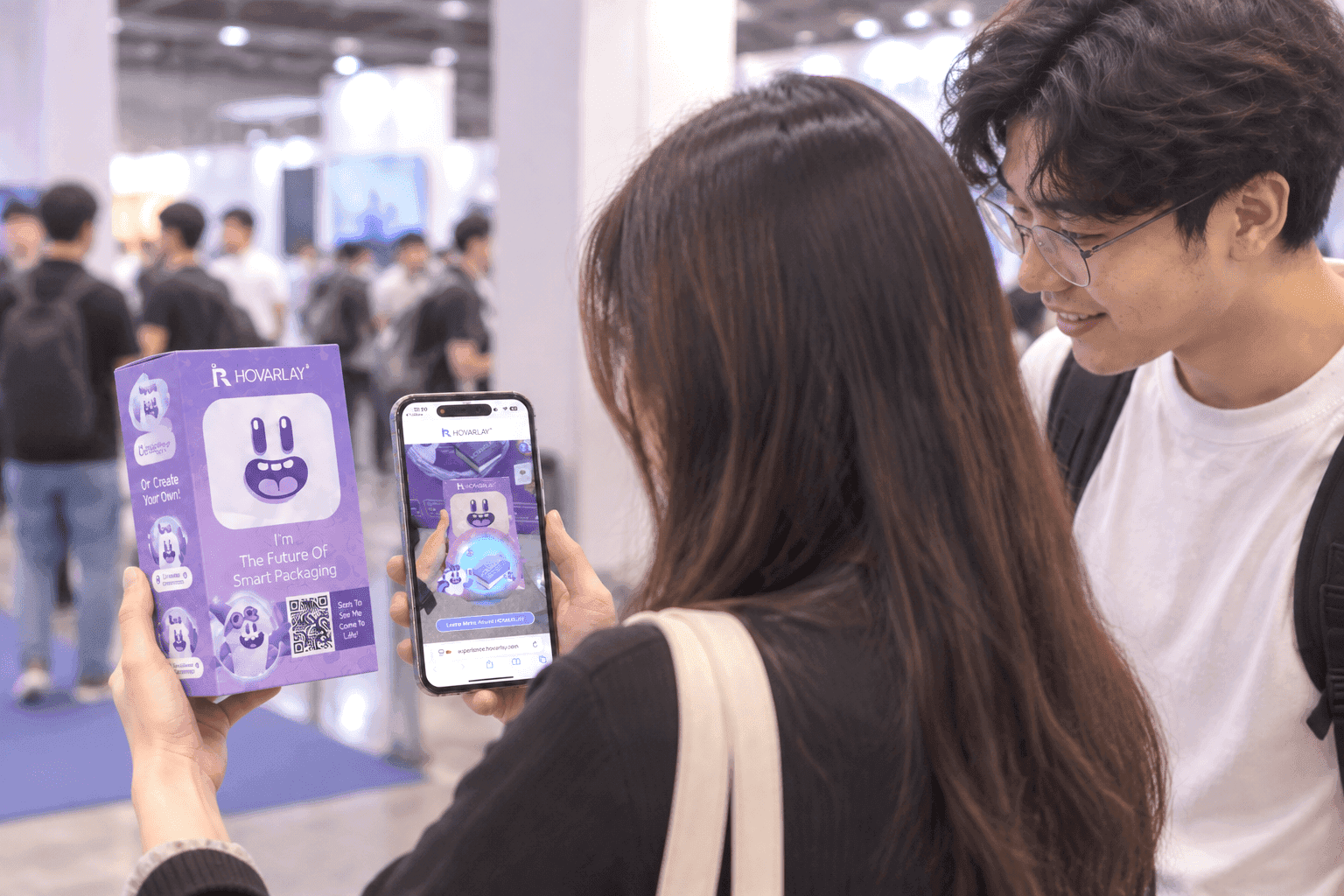
HOVARLAY (Augmented Reality)
Augmented reality brands need to explain a new technology in a way that feels clear and trustworthy. See the HOVARLAY case study.
Experience Design for Different Types of Business
The principles are the same for every company, but the focus changes with the type of business and how customers buy.
B2B and Industrial Companies
B2B buyers often face complex products and large decisions. They want to see proof, understand how solutions work and meet the people behind them. Experience centres, demonstration areas and trade show stands give them that chance. The experience should explain technical value in plain terms and reflect the company’s brand positioning as a trusted expert.
Companies with several divisions or product lines need a clear brand architecture, so visitors understand how each area relates to the whole. Seminars, workshops and thought leadership content presented in these spaces can deepen relationships with buyers over time.
Consumer and Retail Brands
Consumer brands compete for attention in busy places, both physical and online. Shops, pop-up spaces and packaging are often the first real contact with the brand. Here, the experience needs to be quick to understand and easy to enjoy. Brand positioning shapes everything from the shop layout to the music and the way products are displayed.
When a company goes through a brand refresh, its physical spaces often lag behind the new identity. Updating them is part of making the change feel real to customers.
Service Businesses
For gyms, clinics, studios, schools and professional services, the experience is the product. Customers judge the brand by how it feels to arrive, wait, take part and leave. Clear brand positioning helps the business decide what kind of atmosphere and service style to create, and the team brings it to life every day.
As service businesses grow, the experience becomes part of their brand growth strategy. A clear, repeatable experience makes it easier to open new locations or train new staff without losing what customers love.
How to Plan an Experience Design Project
Step 1: Understand Your Brand and Customers
Begin with research. Review your brand positioning, talk to customers and look at how competitors create experiences, perhaps mapping them on a simple positioning framework. If your strategy is unclear, address that first, because experience design depends on it. A brand audit builds the brand foundation for everything that follows.
Step 2: Define Experience Principles
Turn your strategy into a few simple principles that guide every design decision. For example, an experience might need to feel “expert, welcoming and calm”. These principles keep a project focused when many people and suppliers are involved. Architects, builders, developers and staff can all check their work against the same short list.
Step 3: Map the Moments That Matter
Use the customer journey to choose where to invest. Budgets are always limited, so this step helps you spend where it counts. Not every touchpoint needs the same attention. Focus on the moments that shape decisions and memories most, and on places where the current experience falls short.
Step 4: Prototype and Test
Test ideas before you build them in full. This might mean a simple model of a space, a mock-up of an AR experience or a trial run of a new service step. Watch how real people react, then refine the design. Testing early is far cheaper than changing a finished space or a launched app.
Step 5: Roll Out and Maintain
An experience needs care after launch. Spaces wear, technology needs updates and staff change. Set clear guidelines, assign ownership and review the experience regularly. Listening to staff and customers after launch often reveals small changes that make a big difference. Tracking brand performance over time shows whether the experience is doing its job and where it needs attention.
Common Experience Design Mistakes to Avoid
Starting With Technology
It is tempting to start with the newest screen, sensor or AR feature. But technology without a clear purpose quickly feels dated. Start with what customers need to understand and feel, then choose the tools that serve it. Simple, well-made experiences often last longer than complex installations.
Designing for Photos Instead of People
Some spaces look striking in pictures but are uncomfortable or confusing to use. Poor lighting, unclear signage or awkward layouts can frustrate visitors, however good the space looks online. A brand experience must work for the customers and staff who use it every day.
Forgetting the People Who Deliver It
A great space with poorly trained staff still delivers a poor experience. Plan training and internal communication as part of the project, not as an afterthought. The people who run the space every day are the ones who make the experience real.
About Creativeans
Creativeans is a brand strategy and design consultancy with teams in Singapore, Milan and Jakarta. Since 2012, we have built 300+ brands. We start with research, then design the identity and every touchpoint, through to brand rollout. Our method is BrandBuilder®, in five stages: brand audit, brand positioning, brand identity, brand touchpoints and brand rollout. Our co-founders are Kimming Yap, a Registered Management Consultant (RMC), and Yulia Saksen, a Certified Management Consultant (CMC).
Frequently Asked Questions
What is the difference between experience design and branding?
Branding defines what a company stands for and how it looks and sounds. Experience design carries that brand into the real moments where customers meet it, such as spaces, digital tools and services.
Do small and mid-size companies need experience design?
Yes, if customers visit your premises, use your digital tools or rely on your service. Experience design does not have to mean a large build. It can start with improving a few key moments in the customer journey.
Is augmented reality right for my brand?
It depends on your customers and products. AR works best when it helps people understand something that is hard to show otherwise, such as how a product looks in place. It should support your brand, not distract from it.
Where does experience design fit in a branding project?
In our BrandBuilder® method, it sits mainly in the brand touchpoints stage, after the audit, brand positioning and identity are defined. This ensures the experience expresses a clear strategy.
How do we know if our brand experience is working?
Watch how customers behave and listen to what they say. Feedback, repeat visits, enquiries and how customers describe the experience all show whether it reflects the brand you want to be.
Next Step
Contact Creativeans to discuss your brand.




 INSIGHTS