Packaging is more than a container. It protects the product, communicates important information, supports transportation and shapes how customers perceive a brand.
The most common types of packaging include folding cartons, corrugated boxes, rigid boxes, bags, pouches, wrappers, glass bottles and jars, plastic containers, metal cans, aerosol cans, blister packs and clamshells. Newer packaging solutions such as moulded-fibre trays, refillable containers and connected packaging are also becoming increasingly relevant in 2026.
However, choosing the right packaging is not simply about selecting a box, bottle or bag. Businesses must consider the product’s properties, customer experience, supply chain, brand positioning, cost, regulations and environmental impact.
Understanding the Three Levels of Packaging
Before looking at individual packaging formats, it is helpful to understand the three main levels of packaging.
Primary Packaging
Primary packaging is the layer that directly contains or comes into contact with the product. It protects the contents and is usually the packaging handled by the customer.
Examples include a toothpaste tube, beverage bottle, snack wrapper, cosmetic jar or medicine blister pack.
Secondary Packaging
Secondary packaging groups or protects one or more primary packages. It may also provide additional space for branding, product information and retail display.
Examples include the folding carton around a toothpaste tube, a paperboard box containing tea sachets or a multipack holding several beverage cans.
Tertiary Packaging
Tertiary packaging is used for bulk handling, storage and transportation. Customers may never see this layer because it is primarily used within the supply chain.
Examples include corrugated shipping cartons, pallets, crates, corner protectors and stretch wrap.
A single product may use all three levels. For example, a skincare jar may be placed inside a branded folding carton, packed with several other units in a corrugated shipping box and transported on a wrapped pallet.
14 Common Types of Packaging
1. Folding Cartons and Paperboard Boxes
Folding cartons are lightweight boxes commonly made from paperboard, including solid bleached sulphate or SBS paperboard. They are supplied flat and folded into shape during packing.
They are widely used for cosmetics, pharmaceuticals, confectionery, frozen food, small electronics and household products.
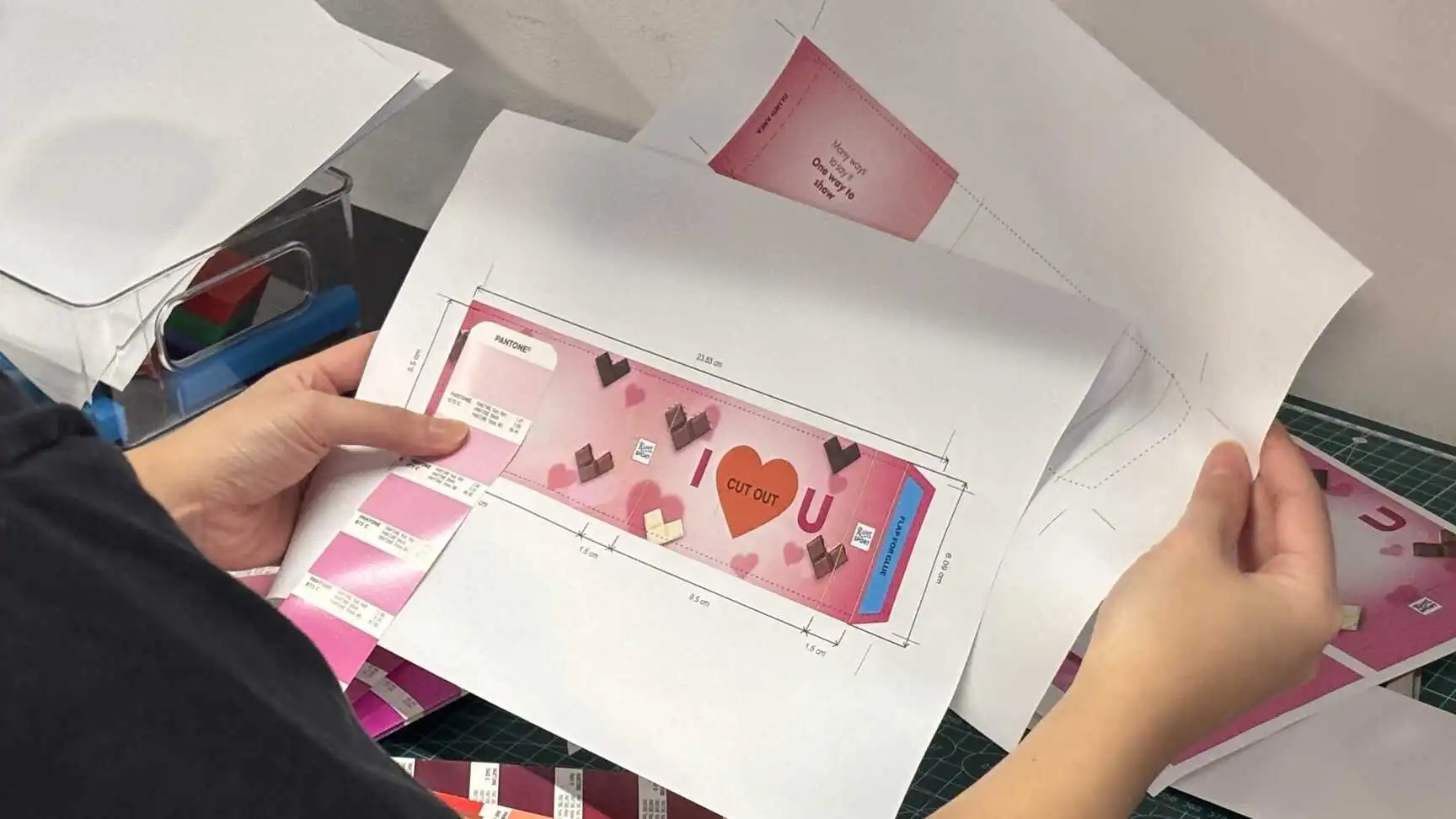
Folding cartons provide a large printable surface for branding, product information and instructions. They can also incorporate windows, inserts, embossing, foil stamping and special opening mechanisms.
The structure, paper thickness, coating and internal barriers must be selected according to the product’s weight, moisture exposure and required shelf life.
2. Corrugated Boxes
Corrugated packaging consists of fluted paper placed between liner sheets. The fluted structure provides cushioning and strength while remaining relatively lightweight.
Corrugated boxes are commonly used for e-commerce deliveries, electronics, appliances, food, beverages, furniture and industrial products.
They can function as secondary or tertiary packaging and are available in different flute profiles and board strengths. Some are designed solely for transportation, while others combine shipping protection with a branded unboxing experience.
For e-commerce, selecting the correct box size is especially important. Singapore’s guidelines on sustainable e-commerce packaging recommend right-sizing cartons, reducing unnecessary fillers and considering lighter alternatives where the product does not require a heavy shipping box.
3. Specialty Cartons and Rigid Boxes
Specialty cartons are customised structures designed for a particular product or experience. These can include window boxes, drawer boxes, book-style boxes, hexagonal cartons and presentation boxes with fitted inserts.
Rigid boxes are made from thick paperboard that is wrapped with printed or textured paper. Unlike folding cartons, they are generally delivered in their finished shape.
These formats are often used for jewellery, premium confectionery, gifts, cosmetics, electronics and luxury products. Their substantial structure and controlled opening sequence can reinforce quality and create a more memorable unboxing experience.
However, rigid boxes are generally more expensive and use more storage and shipping space than flat-packed cartons.
4. Bags, Pouches and Sachets
Bags, pouches and sachets are flexible packaging formats made from paper, plastic film, foil or combinations of different materials.
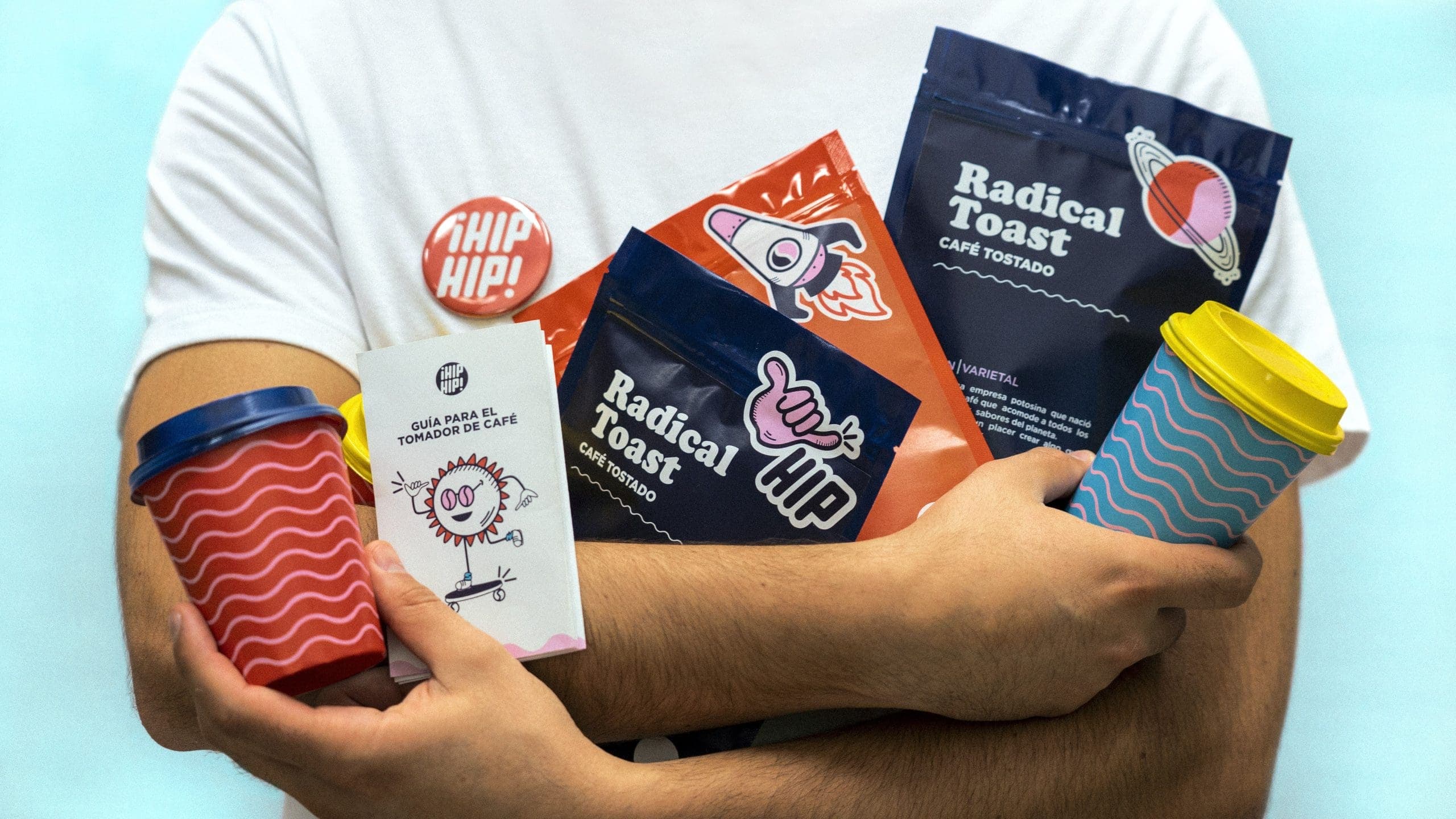
Common formats include stand-up pouches, flat pouches, gusseted bags, vacuum bags, zipper bags, spouted pouches and single-use sachets. They are used for snacks, coffee, sauces, supplements, frozen food, detergents, cosmetics and pet products.
Flexible packaging can use less material and occupy less transportation space than many rigid containers. Features such as zippers, tear notches, handles and spouts can also improve convenience.
In 2026, more brands are exploring mono-material flexible packaging, where the main components are designed around a compatible material stream. This can make a pack easier to sort and recycle than conventional laminates made from several difficult-to-separate materials.
5. Wrappers and Films
Wrappers use a flexible sheet or film to enclose an individual product or group of products. They may be folded, twisted, heat-sealed or shrink-fitted around the contents.
Typical applications include chocolate bars, sweets, bakery products, soap, tissues, stationery and multipacks.
Common materials include paper, cellulose-based film, polyethylene, polypropylene and laminated barrier films. The correct choice depends on factors such as grease resistance, moisture protection, oxygen control and seal performance.
Although wrappers use relatively little material, some multilayer films can be difficult to recycle. Brands should assess whether all layers, coatings, inks and adhesives are compatible with the intended disposal or recycling system.
6. Glass Bottles and Jars
Glass packaging is made primarily from silica-based materials and is valued for its clarity, chemical stability and premium appearance.
Glass bottles are commonly used for beverages, sauces, oils, perfumes and pharmaceutical products. Glass jars are frequently used for food, skincare, candles and preserves.
Glass provides a strong barrier and does not usually react with its contents. It can also be reused or recycled where suitable collection systems are available.
Its disadvantages include weight, breakability and higher transportation energy compared with lighter formats. Product protection, closure design and shipping conditions therefore require careful consideration.
7. Plastic Bottles, Jars and Containers
Plastic containers are among the most versatile types of packaging. They can be manufactured in different shapes, colours, transparencies and levels of flexibility.
Common materials include PET, HDPE, LDPE and PP. Applications range from water, milk and cooking oil to shampoo, cleaning products, cosmetics, medicine and food.
Plastic packaging is lightweight and resistant to breakage, but the material, colour, label, closure and barrier layers all affect its recyclability. A container described simply as “plastic” may still contain several components made from different resins.
Good packaging development therefore considers the complete system—not only the main bottle or jar, but also the cap, pump, sleeve, label, adhesive and tamper-evident feature.
8. Metal Cans and Tins
Metal cans and tins are generally made from steel, tin-plated steel or aluminium. They provide strong protection against light, moisture, contamination and physical damage.
Typical uses include canned food, powdered products, confectionery, biscuits, tea, coffee, paint and specialty gifts.
Metal packaging can support long shelf life and high-quality printing, embossing or decorative finishing. Reclosable tins can also be kept and reused by customers, extending the packaging’s presence beyond the initial purchase.
The internal coating must be compatible with the product, particularly for food, beverages and chemically sensitive contents.
9. Beverage Cans
Beverage cans are usually made from aluminium or steel and are designed to withstand carbonation, internal pressure, filling and distribution conditions.
They are widely used for soft drinks, beer, energy drinks, coffee, tea and functional beverages.
Beverage cans provide an excellent barrier against light and oxygen. Their cylindrical surface also creates a distinctive canvas for brand colours, illustration, typography and limited-edition designs.
The shape offers less front-facing communication space than a box, so the visual hierarchy must remain clear from multiple viewing angles.
10. Aerosol Cans
Aerosol packaging stores a product together with a propellant and dispenses it through a valve when activated.
It is commonly used for deodorants, hair products, cleaning products, insect sprays, paints, lubricants and some food products.
Aerosol containers are typically made from aluminium or steel. Their design must account for internal pressure, product compatibility, spray performance, safety information and transportation regulations.
The cap, actuator, valve and can should be developed as one functional system rather than as separate visual components.
11. Blister Packs
A blister pack contains a product inside a pre-formed cavity, usually sealed with foil, film or paperboard.
Blister packaging is widely used for tablets, capsules, batteries, stationery, small electronics, toys and hardware. It provides individual product protection, tamper evidence and clear product visibility.
However, conventional blister packs often combine plastic, aluminium and paperboard. These layers can be difficult for customers to separate and may not be accepted by common recycling systems.
In healthcare packaging, product safety, hygiene, dosage control and child resistance must take priority, although manufacturers are increasingly exploring lower-material and more recyclable alternatives.
12. Clamshell Packaging
Clamshell packaging consists of two connected halves that close around a product. It may be produced from thermoformed plastic, paper-based fibre or other formed materials.
Clamshells are commonly used for fresh produce, takeaway food, baked goods, electronics and retail accessories.
They provide product visibility and physical protection, but poorly designed clamshells can be difficult to open. Accessibility, closure strength, tamper evidence and the end-of-life pathway should therefore be considered during development.
13. Tubes
Tubes are cylindrical, collapsible containers that dispense a controlled amount of product through a narrow opening.
They are commonly used for toothpaste, skincare, cosmetics, adhesives, paint, pharmaceuticals and food pastes.
Tubes may be made from plastic, aluminium or multilayer laminates. They are hygienic, portable and convenient, but their combined layers, shoulders and closures can complicate recycling.
Newer tube designs increasingly use simplified structures and compatible caps to improve material recovery while maintaining the required barrier performance.
14. Trays and Moulded-Fibre Packaging
Trays hold, separate or protect products within a larger package. They are used for food, electronics, cosmetics, medical products and fragile goods.
Materials include thermoformed plastic, paperboard, pulp and moulded fibre. Moulded-fibre packaging is increasingly being used as an alternative to plastic inserts, foam cushioning and some rigid trays.
Fibre-based packaging can be shaped to fit a product while supporting a natural or sustainability-led brand impression. However, coatings, food residue, moisture and product-protection requirements may affect whether the final structure can be recycled.
What Is Changing in Packaging in 2026?
The familiar box, bottle, can and pouch remain dominant. What is changing is how these formats are designed, manufactured, used and recovered.
Less Material and Better-Sized Packaging
Businesses are reducing unnecessary layers, oversized cartons and excess empty space. Right-sizing can lower material use, shipping volume and logistics costs while still providing adequate product protection.
Singapore’s National Environment Agency highlights packaging reduction, reuse, recycled content and improved recyclability as key areas for companies developing their packaging 3R plans.
Mono-Material Structures
Mono-material packaging is gaining attention, particularly in flexible packaging. Instead of combining several incompatible materials, designers and manufacturers are exploring structures based mainly on one material family.
A mono-material format is not automatically recyclable everywhere. Collection, sorting, contamination and local recycling infrastructure still need to be considered.
Fibre-Based Alternatives
Paperboard, corrugated board and moulded fibre are being developed with improved barriers, closures and forming capabilities. These innovations allow fibre-based formats to enter applications previously dominated by rigid or flexible plastic.
However, switching from plastic to paper is not automatically more sustainable. The total material weight, coating, product protection, food waste, transport and actual recovery system must be evaluated.
Refillable and Reusable Packaging
Refill pouches, returnable containers and durable primary packs are becoming more visible across beauty, household products, beverages and food service.
A refill or reuse system only works when the packaging can withstand repeated use and when collection, cleaning, refilling and customer participation are properly planned.
Connected and Smart Packaging
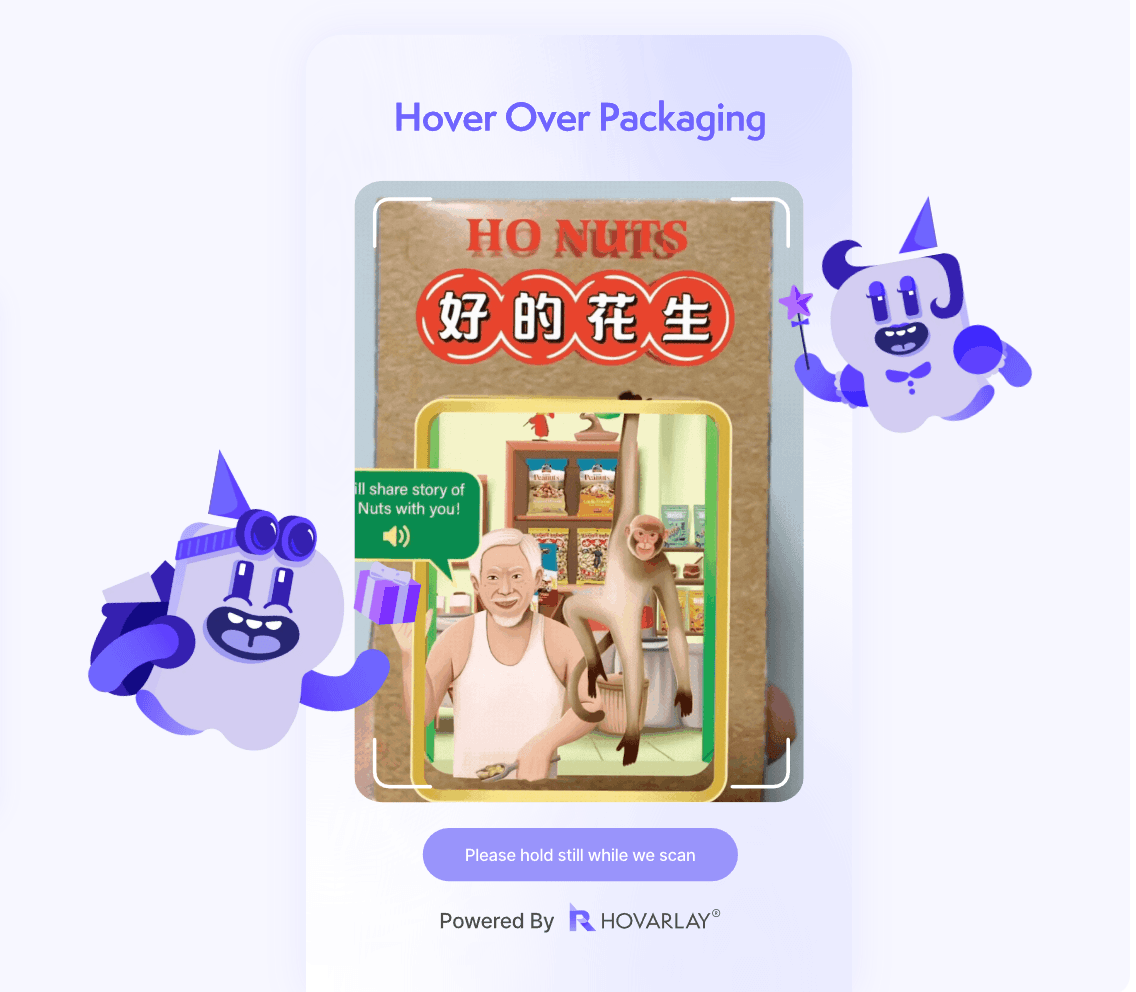
Packaging is increasingly becoming a gateway to digital product information. QR codes, NFC technology, augmented reality and connected identifiers can provide instructions, ingredient information, authentication, promotions and interactive brand experiences.
GS1 is supporting the transition towards more capable two-dimensional barcodes, with the industry aiming for broad retail adoption by the end of 2027. These codes can connect physical packaging to information that can be updated without redesigning the entire printed pack.
Greater Regulatory Attention
Packaging regulations are increasingly influencing material selection, recyclability, labelling and waste reporting.
In Singapore, qualifying producers and retailers with an annual turnover above S$10 million must report specified packaging and submit packaging 3R plans under the Mandatory Packaging Reporting framework.
For businesses exporting to Europe, the EU Packaging and Packaging Waste Regulation begins applying from 12 August 2026. It introduces stronger requirements and targets relating to packaging minimisation, recyclability, recycled content and reuse.
How to Choose the Right Type of Packaging
There is no single packaging format that is best for every product. The right choice should balance several factors.
Product Protection
Assess sensitivity to moisture, oxygen, light, temperature, impact, contamination and leakage. Packaging that looks attractive but fails to protect the product can increase damage and waste.
Customer Experience
Consider how customers carry, open, dispense, reseal, store and dispose of the pack. Convenience and accessibility can strongly influence product satisfaction.
Brand Positioning
Packaging should express the intended brand perception, whether it is practical, playful, premium, natural, technical or highly specialised.
Retail and E-Commerce Requirements
Retail packaging must perform on the shelf, while e-commerce packaging must withstand fulfilment and delivery. Products sold through both channels may need a packaging system that works across different environments.
Production and Cost
Material cost is only one part of the total investment. Tooling, printing, assembly, minimum order quantity, packing speed, storage and transportation should also be evaluated.
Sustainability and End of Life
Use only as much packaging as necessary and understand how the complete pack will be collected, sorted, reused or recycled in its intended market. Avoid unsupported claims such as “eco-friendly” without clear evidence.
Regulations and Product Information
Food, pharmaceuticals, cosmetics, chemicals and children’s products may have specific requirements for labelling, safety, tamper evidence and material compatibility.
Conclusion
The most common types of packaging range from folding cartons and corrugated boxes to pouches, bottles, cans, blister packs and clamshells. Each format offers different advantages in protection, convenience, branding, production and transportation.
In 2026, choosing a format is only the beginning. Effective packaging must work as a complete system—protecting the product, communicating the brand, supporting the customer experience and responding to changing environmental and regulatory expectations.
Creativeans combines design research, packaging structure design, label design and production support to create packaging systems that are practical, distinctive and aligned with your business goals.
Speak to Creativeans about your packaging design project.
Frequently Asked Questions
What are the most common packaging materials?
The most common packaging materials are paper and paperboard, corrugated board, plastic, glass and metal. Wood, textiles, moulded fibre and compostable materials are also used for particular products and supply chains.
What is the difference between primary, secondary and tertiary packaging?
Primary packaging directly contains the product. Secondary packaging groups or protects primary packs and may support retail display. Tertiary packaging consolidates larger quantities for storage, handling and transportation.
What is the most sustainable type of packaging?
There is no universally sustainable packaging format. The best option depends on material use, product protection, transportation, recycled content, reuse potential and whether the packaging can be collected and processed in the intended market.
What packaging is best for food products?
The right food packaging depends on shelf life, temperature, hygiene, moisture, oxygen and light exposure. Common options include pouches, wrappers, trays, cartons, bottles, jars, cans and tubs.
What is smart packaging?
Smart packaging uses features such as QR codes, NFC, sensors or augmented reality to connect a physical pack with digital information, authentication, product tracking or interactive experiences.
Why is packaging design important for a brand?
Packaging is often the first physical interaction customers have with a product. Effective packaging protects the contents, communicates value, helps customers understand the product and creates a recognisable brand experience.




 INSIGHTS