Part 2: Your Brand Can Make a World of Difference with Sustainable Packaging
- Packaging Design
- Green Economy
Part 2: Your Brand Can Make a World of Difference with Sustainable Packaging
Packaging matters, but developing them from sustainable materials is ever necessary for the current world.
In Part 1, we explored some recommendations you can follow to ensure that your materials (e.g. plastic, paper, carton) meet the sustainable criteria for your packaging designs.
Here’s Part 2 as we look at more materials that are commonly used in most industries today.
Glass
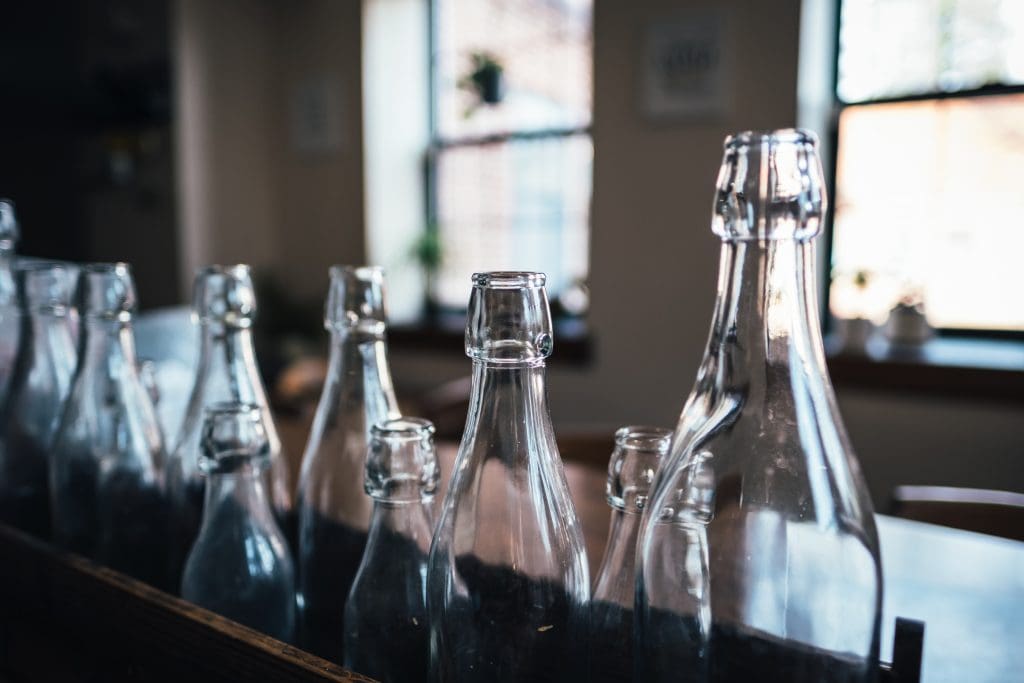
Preferred Finishes:
✔️ Standard colouring in green, brown, white (transparent) or related shades
✔️ Regular three-components packing glass (quartz sand, soda, limestone)
✔️ Engravings and paper labels (wet-strength)
To Avoid:
❌ No packaging glass, such as heat-resistant glass (e.g. boro-silicate glass)
❌ Lead crystal, cryolite glass
❌ Ceramic parts
❌ Full-surface, colour-coated bottles
❌ Full surface sleeves
❌ Permanently adhesive and large-area plastic labels
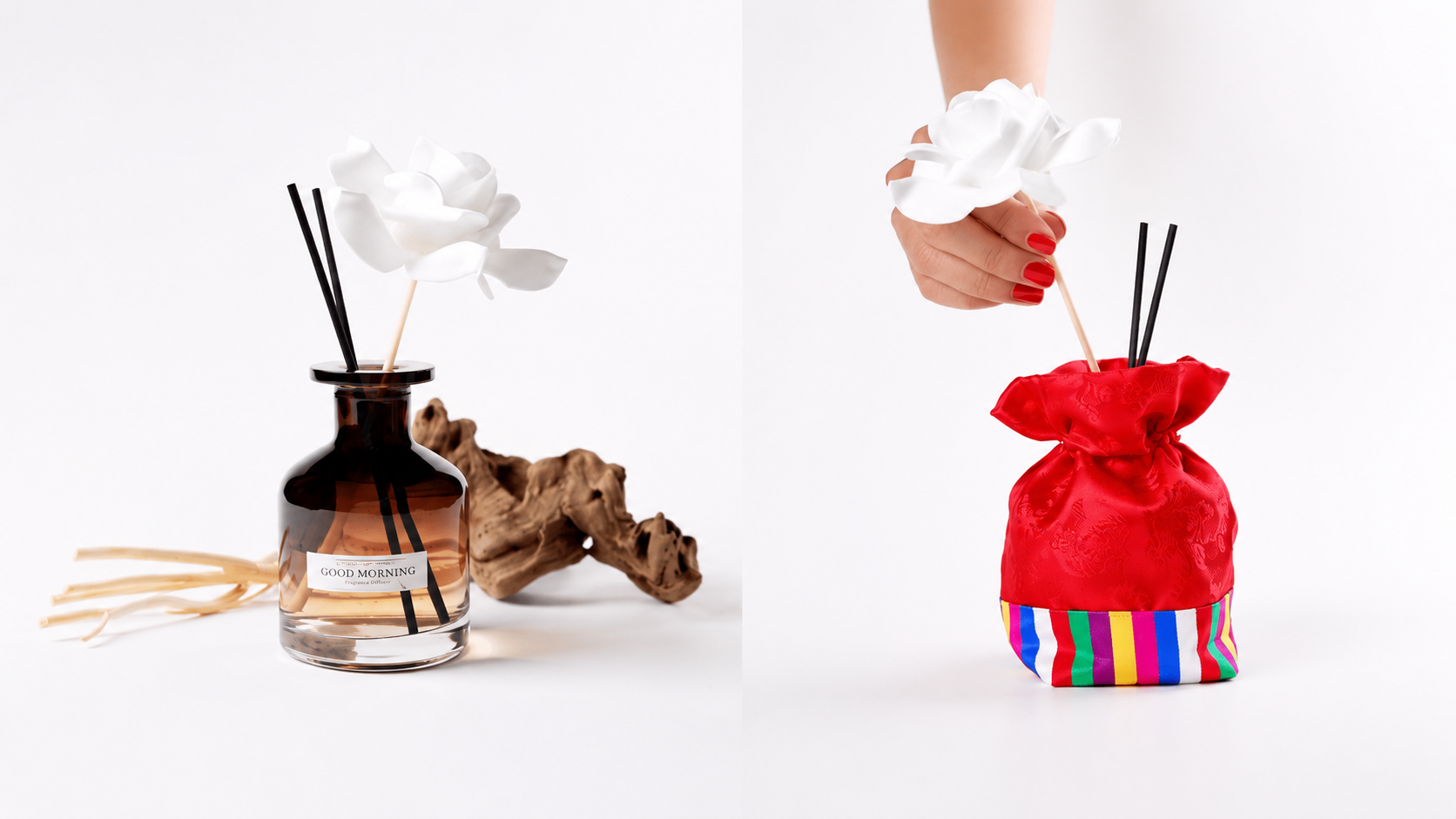
Take your senses on an adventure with Wanderscent’s identity and packaging.
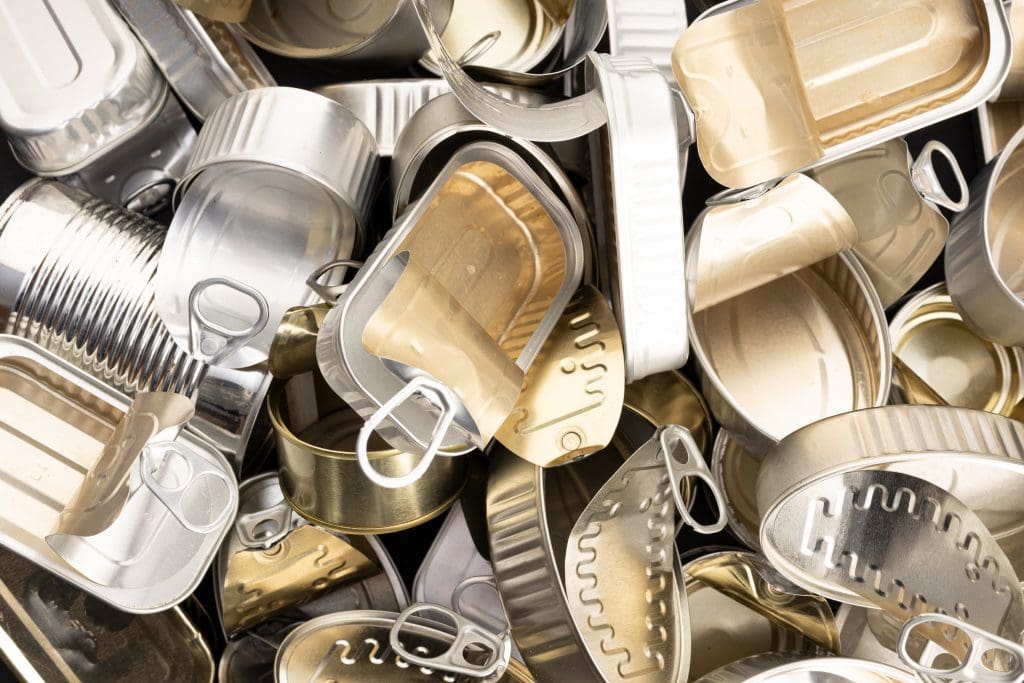
Tinplate
Preferred Finishes:
✔️ Ferromagnetic metals
✔️ Paint coating
✔️ Closure is also made of ferromagnetic metal
✔️ Decoration by means of embossing or paper banderole
To Avoid:
❌ Aerosol cans with hydrocarbon-based propellants and/or residual contents
❌ Non-compliant colours
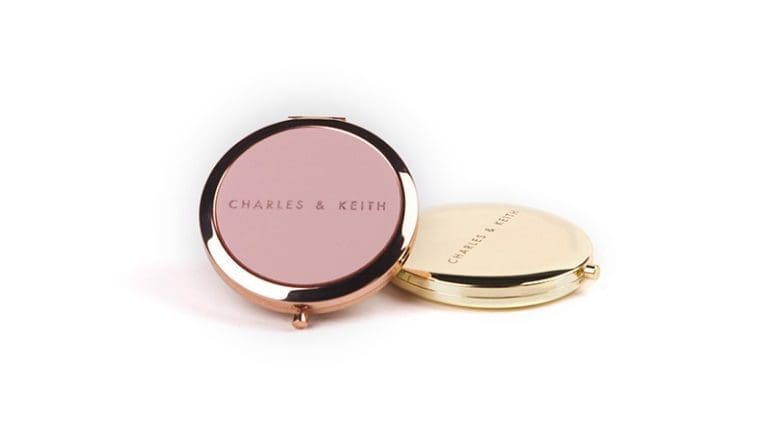
See how we produced this personalised make-up mirror for Charles and Keith’s global retail stores.
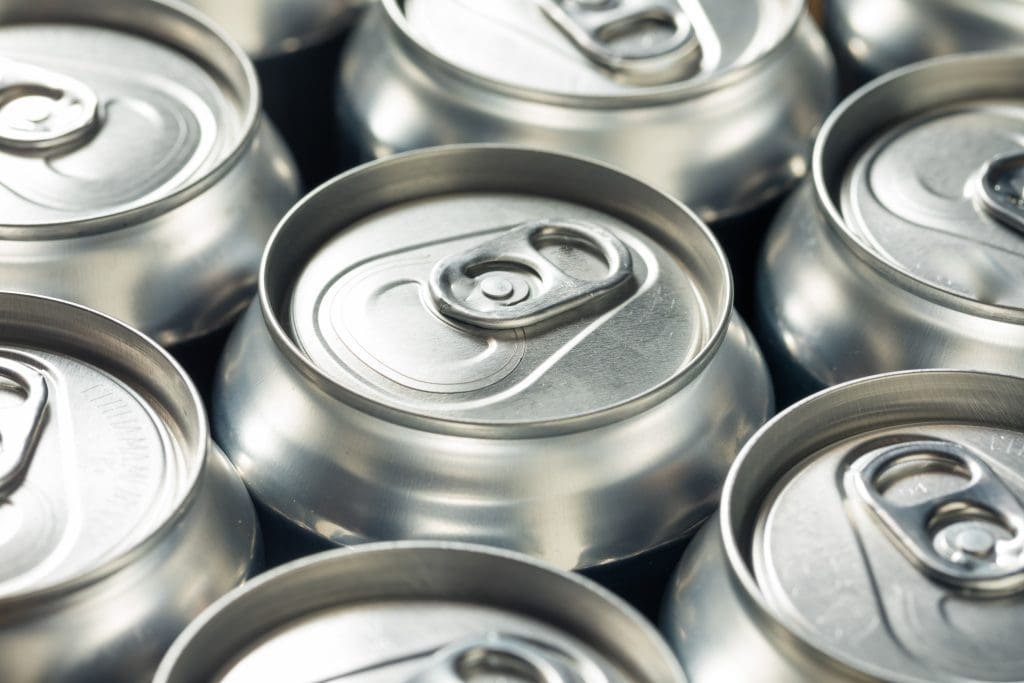
Aluminium
Preferred Finishes:
✔️ Non-ferrous metal parts
✔️ Direct printing process
✔️ Embossing or direct printing
✔️ Paint coating
✔️ Closures made of aluminium
To Avoid:
❌ Aluminium in material composite
❌ Non-compliant colours
❌ Aerosol cans with hydrocarbon substance-based propellants and/or residual content
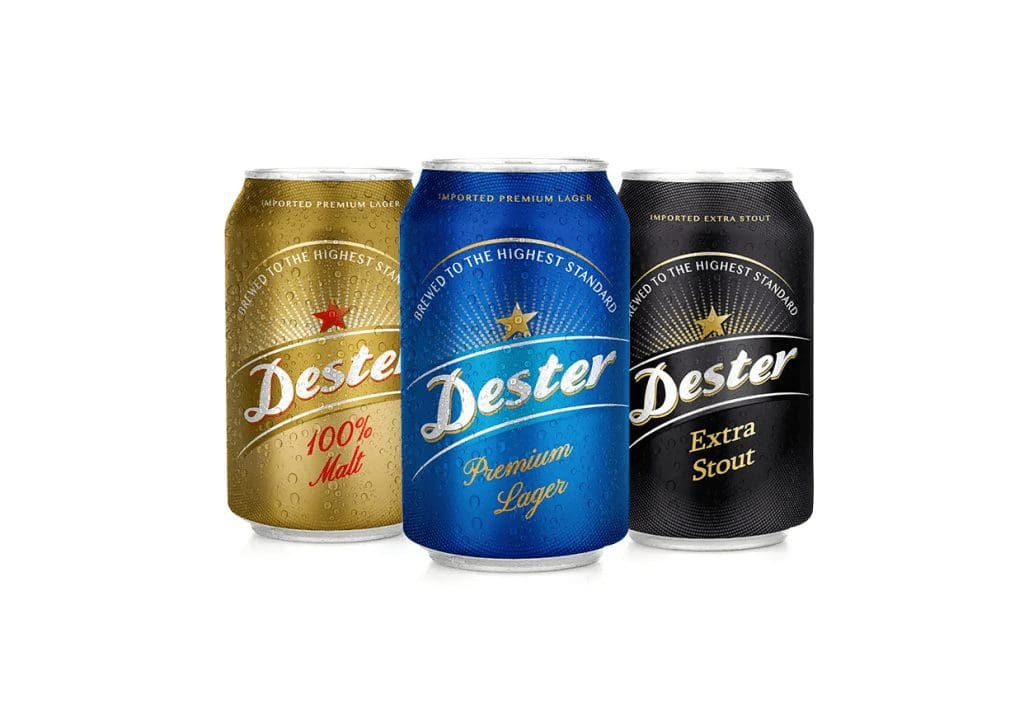
In collaboration with Dester, check out what we designed for their global rebrand and new packaging identity.
Packaging matters, but developing them from sustainable materials is ever necessary for the current world.
In Part 1, we explored some recommendations you can follow to ensure that your materials (e.g. plastic, paper, carton) meet the sustainable criteria for your packaging designs.
Here’s Part 2 as we look at more materials that are commonly used in most industries today.
Glass
Preferred Finishes:
✔️ Standard colouring in green, brown, white (transparent) or related shades
✔️ Regular three-components packing glass (quartz sand, soda, limestone)
✔️ Engravings and paper labels (wet-strength)
To Avoid:
❌ No packaging glass, such as heat-resistant glass (e.g. boro-silicate glass)
❌ Lead crystal, cryolite glass
❌ Ceramic parts
❌ Full-surface, colour-coated bottles
❌ Full surface sleeves
❌ Permanently adhesive and large-area plastic labels
Take your senses on an adventure with Wanderscent’s identity and packaging.
Tinplate
Preferred Finishes:
✔️ Ferromagnetic metals
✔️ Paint coating
✔️ Closure is also made of ferromagnetic metal
✔️ Decoration by means of embossing or paper banderole
To Avoid:
❌ Aerosol cans with hydrocarbon-based propellants and/or residual contents
❌ Non-compliant colours
See how we produced this personalised make-up mirror for Charles and Keith’s global retail stores.
Aluminium
Preferred Finishes:
✔️ Non-ferrous metal parts
✔️ Direct printing process
✔️ Embossing or direct printing
✔️ Paint coating
✔️ Closures made of aluminium
To Avoid:
❌ Aluminium in material composite
❌ Non-compliant colours
❌ Aerosol cans with hydrocarbon substance-based propellants and/or residual content
In collaboration with Dester, check out what we designed for their global rebrand and new packaging identity.
YOU MIGHT ALSO LIKE
8 Reasons Why Brands are Assets
- Branding
Quick Guide: How to Get Your EDG Grant Application Approved in 2025
- Marketing
- Creative Investment
- Government
Effective Product Packaging Design Services in Singapore
- Packaging Design
Yulia Saksen
International Brand Consultant and Co-Founder of Creativeans
Your brand might look great. But is it working?
Discover what’s missing in your brand strategy and how a few changes can grow your business.
You want to do a brand revamp? Now what?
We’ll help you understand what’s needed, what works, and how to make your company look great.